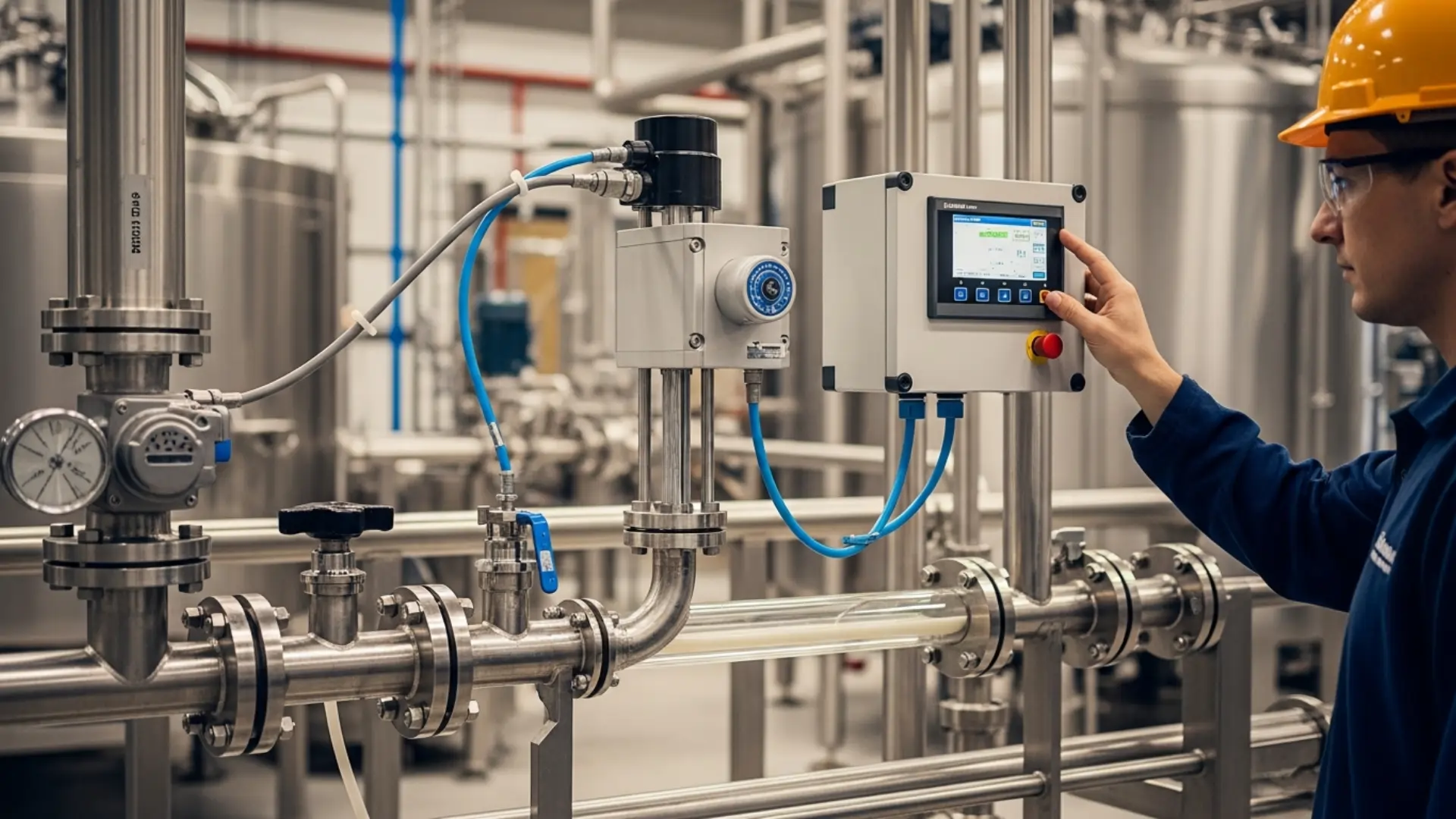
A viscometer typically answers a specific question: “What is the viscosity under these conditions?”. This is sufficient for many routine checks. The problem arises when the material changes its behavior with shear, time, temperature or internal structure (thixotropy, settling, elasticity). In these cases, a single value can hide what is actually happening.
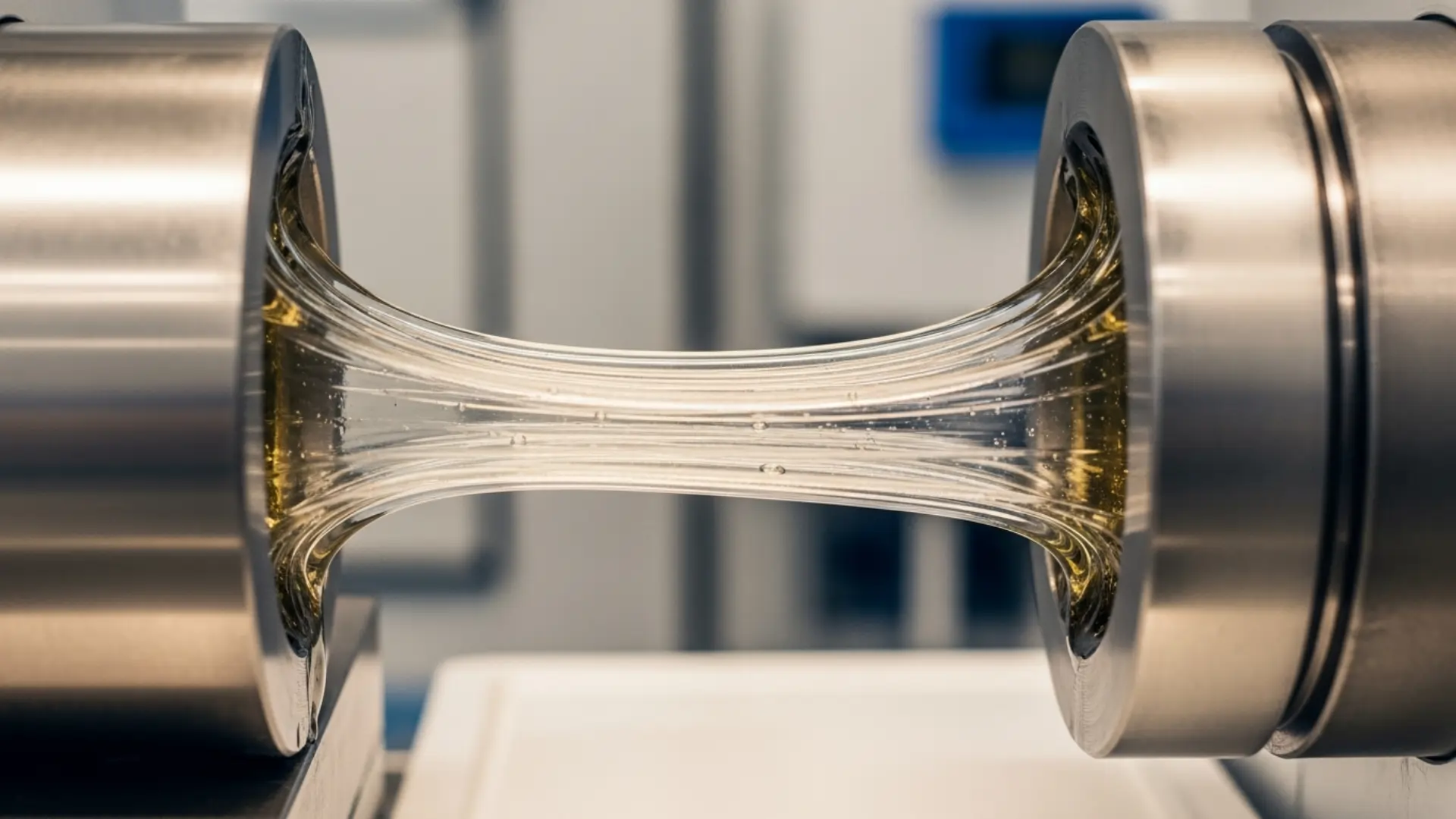
This is where the rheometer offers an advantage: it not only measures viscosity but can also characterize how the material responds under different conditions (for example, elasticity and dynamic properties, as well as the stress–strain relationship, depending on the method). This is essential when you need to predict actual performance: leveling, sagging, pumpability, stability, texture or feel, among others.
A quick guide to choosing:
- If your goal is a simple specification check and the material is relatively stable → viscometer. viscometer..
- If you need to understand “why” the material behaves differently during processing or use (and avoid trial and error) → rheometer.