In many industrial processes, pump selection is often treated as a purely mechanical decision based on flow rate and pressure. However, when handling viscous, chemically aggressive or shear-sensitive fluids, this approach is insufficient and, in many cases, costly in the medium and long term.
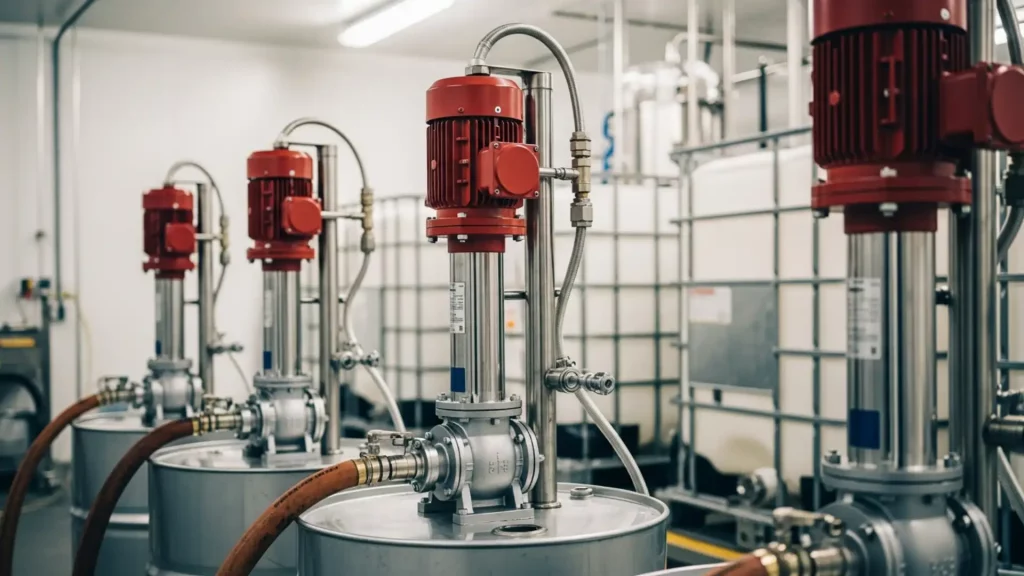
The fluid transfer system is a direct extension of the process. An unsuitable selection affects not only operating efficiency but also product quality, process stability and the service life of the equipment involved.
1. Fluid Properties: The Starting Point
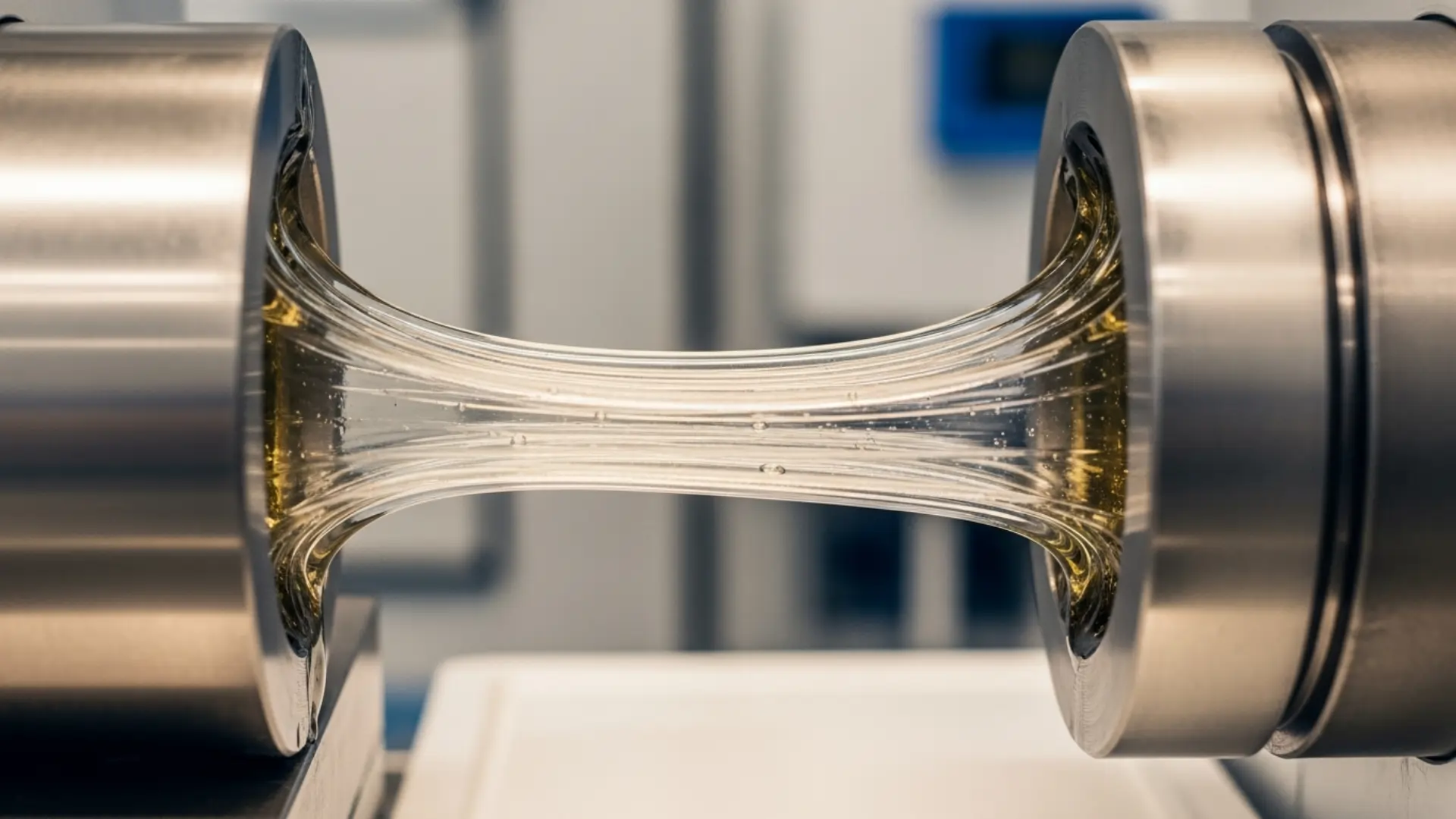
The first criterion to evaluate is the fluid’s actual behavior. Viscosity and its variation with temperature, Newtonian or non-Newtonian behavior, and the presence of solids, gases or multiple phases directly influence pumping system performance.
For sensitive fluids, such as emulsions, suspensions or formulated products, excessive shear can alter the product’s structure, causing unwanted changes in texture, stability or final performance.
2. Chemical Compatibility and Wetted Materials
When the fluid is aggressive or corrosive, the compatibility of wetted materials is critical. An incorrect selection can lead to chemical degradation, product contamination or premature equipment failure.
This assessment must include not only the pump body but also seals, hoses, valves and connections, while also considering cleaning and maintenance conditions.
3. Actual Operating Conditions
Process conditions are rarely constant. Temperature changes, flow rate variations, frequent starts and stops, or cleaning in place affect system behavior.
It is therefore essential to evaluate the full operating range rather than only nominal conditions. A correctly sized pump must operate consistently throughout the entire process range.
4. Safety, Hygiene and Applicable Regulations
In regulated industries, hygiene and safety requirements are not optional. Containment of hazardous fluids, leak prevention, ease of cleaning and regulatory compliance are integral parts of the selection process.
Ignoring these factors can lead to operational risks, regulatory noncompliance and unplanned downtime.
5. Impact on Costs and Process Reliability
A poorly selected pump may work in the short term but generate hidden costs: excessive maintenance, high energy consumption, rework and product waste.
By contrast, a thorough technical assessment helps optimize the initial investment, improve process reliability and ensure operational continuity.
The Importance of Technical Guidance Before Selection
Selecting a transfer system for viscous, aggressive or sensitive fluids should not rely solely on generic technical data sheets. Assessing the process, product and actual operating conditions together makes it possible to define robust solutions that remain viable over time.
A consultative approach reduces risks, avoids unnecessary oversizing and ensures that the selected solution truly meets the needs of the process.